Andean Health is building a new hospital in the Cotopaxi region. Consider supporting Campaign Cotopaxi →

Bringing sustainable medical care to the Global South

AHD builds and operates full-service teaching hospitals, trains Ecuadorian physicians and staff, and drives research and policy that improves health care in underserved areas around the world.

A New Healthcare Model

How Andean Builds A Healthy & Sustainable Future

Since 1997, AHD has worked in rural Ecuador to develop a model to provide sophisticated health care in a sustainable way. This will allow us to continue to serve impoverished rural communities for the long term.
Health Care Services

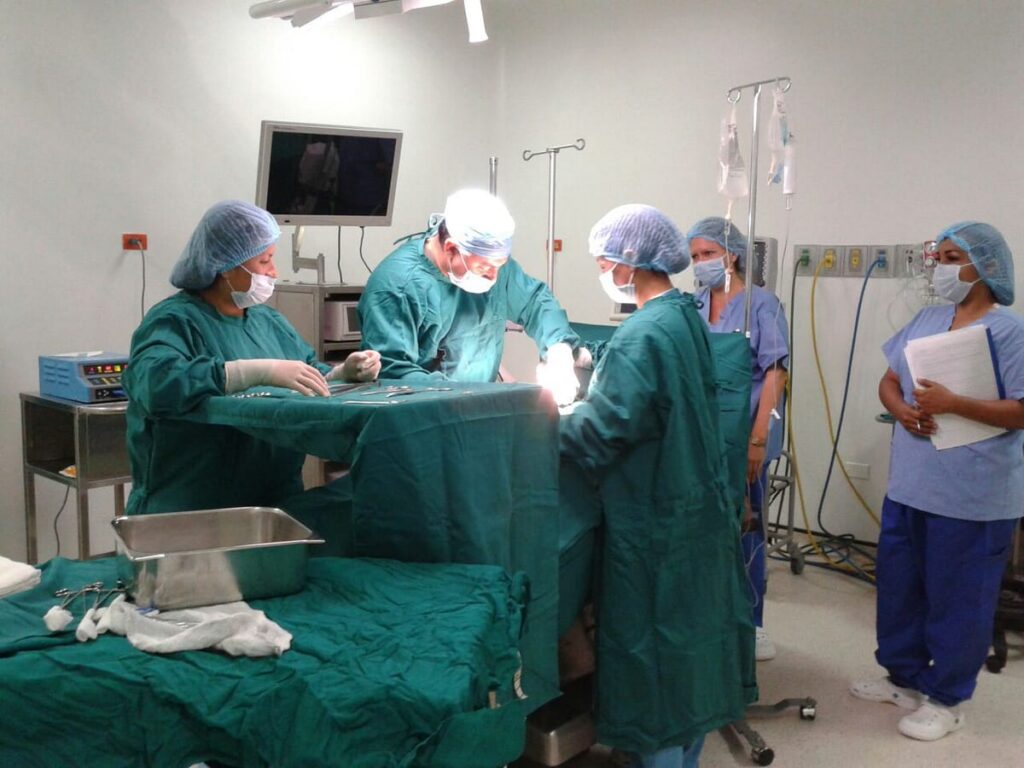
Accessible High Quality Care

From everyday checkups to adult and neonatal intensive care and specialized surgery, our hospitals deliver the care that rural families usually must travel great distances to find. We’re close by and working every day with Ecuador’s national health system to maximize our impact.
Financial Self-Sustainability

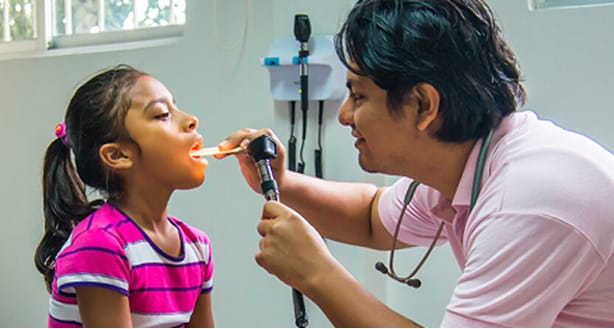
Health Care that Can Survive Long Term

For a small fraction of the cost in the US, we build and operate hospitals whose services are designed to pay for themselves largely through in-country partnerships with the government health system. Nearly 80% of our operating costs are covered locally, a figure unheard of in most of the developing world.
Training Health Care Professionals

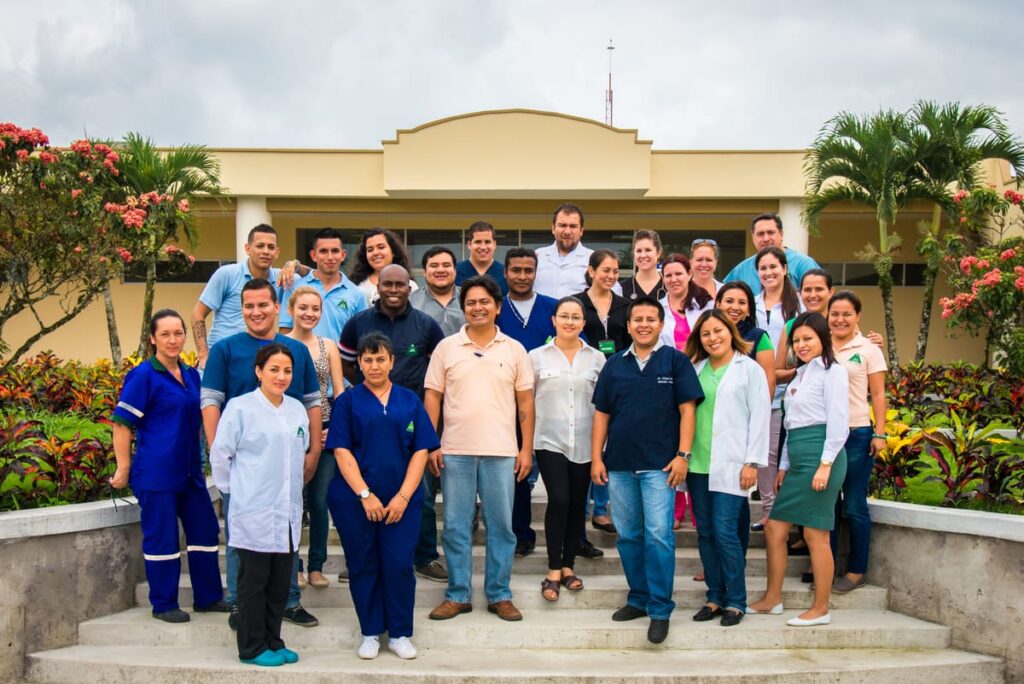
Building Local Health Care Capacity

We train Ecuadorian doctors through a three-year family medicine residency program. This allows us to help address the severe shortage of trained medical personnel in the countryside. With the opening of our new hospital in Cotopaxi, we plan on expanding our training programs to nurses, hospital administrators and other healthcare workers.
Research & Policy

Leveraging Our Experience

We leverage our work through the Andean Health Institute where we conduct research and publish articles and medical manuals on issues relevant to rural communities across the Global South. From mosquito borne illness, to mental health, to antimicrobial resistance, we study and advocate for solutions to problems that plague poor rural families in Ecuador and around the world.

Our History

Long-lasting Work for Sustainable Impact

For decades, the AHD team has dedicated itself to changing healthcare in the Global South, starting in Ecuador.

1986

A Conversation That Shaped a Life's Work

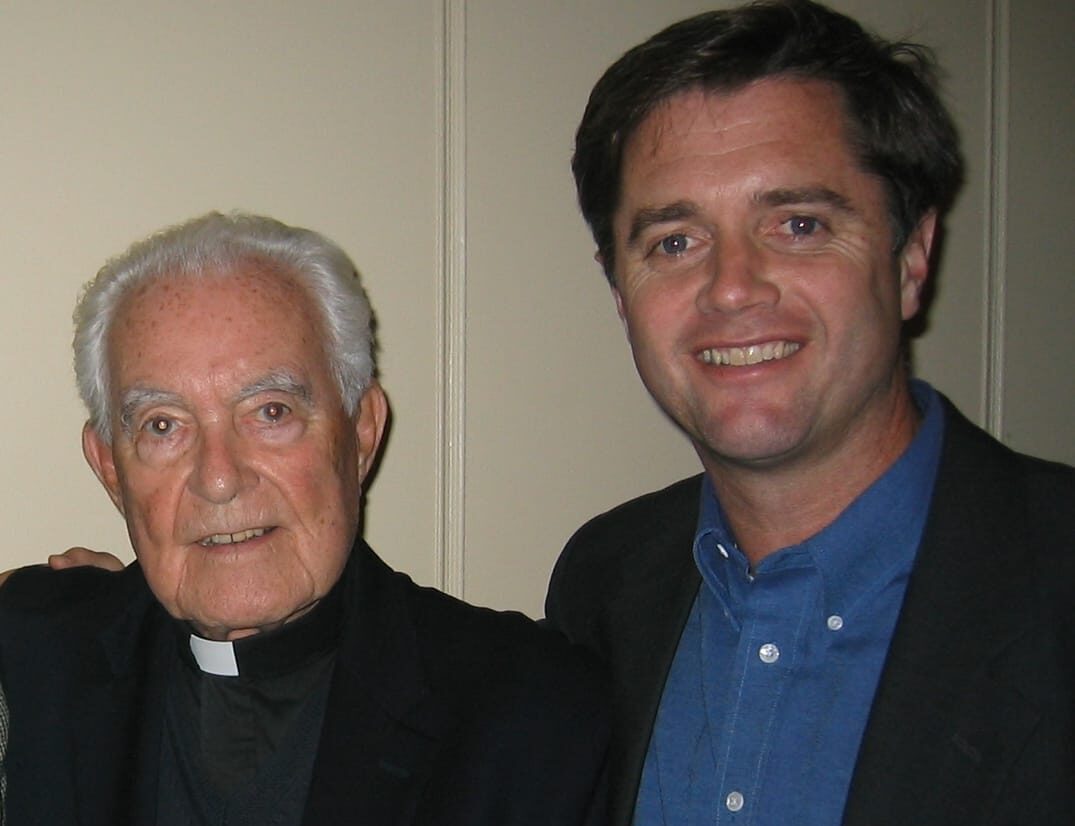
Late one night in his senior year at Notre Dame, David Gaus met with Fr. Ted Hesburgh. Fr. Ted's advice was simple: go serve abroad before deciding what to do with your life. David spent the next two years working with poor families in Ecuador. By the end, he knew exactly what he wanted to do: become a doctor and build his life around service. That decision would eventually lead to Andean Health & Development.
1998

A Modest start: AHD Opens its First Clinic

Returning to Ecuador, Dr. Gaus started where the need was greatest: rural medicine. His first step was a small storefront clinic in Pedro Vicente Maldonado. It helped, but it wasn't enough. The town and the surrounding communities needed more than a clinic; they needed a hospital.
2007

PVM Becomes Financially Self-Sustaining

Hospital PVM hit a milestone no one in global health expected by covering its operating costs. Local revenue, public-private partnerships, and a community-focused model produced something rare in developing countries: a rural hospital that didn't depend on outside aid to survive.
2009

First Medical Manual published

Saludesa published Ecuador's first exhaustive, contextualized medical manual, covering common conditions in ambulatory care, emergency, hospitalization, childbirthing, and tropical medicine, among other areas. Physicians are often seen carrying the manual in their whitecoats throughout the country. Five more manuals have been published since then.
2016

Saludesa Scientific Journal

Endless research questions arise from medical care provided at Saludesa hospitals. Yet, very little medical, scientific publication comes from Ecuador. For these reasons, Saludesa created the indexed, peer reviewed, online Journal of Rural Family Practice (Practica Familiar Rural in Spanish) that has been published every 4 months continuously since 2016 with readership throughout Latin America.
2025

Launch of Campaign Cotopaxi

In its most ambitious project yet, Andean Health is taking the next step to broaden and deepen its impact. AHD announced it is building a new 40 bed teaching hospital high in the Andes in the shadow of Mount Cotopaxi, one of the tallest active volcanoes in the world. It will provide sophisticated health care services to a very poor province where 80% of the population is indigenous.

Hospital Cotopaxi will not only expand AHD’s ability to provide health care services, but it will dramatically expand our training programs, enhance the proof of our model, and allow us better opportunities for collaborations with regional universities and the global health community.
1997

Andean Health & Development Is Founded

After many discussions, David and Fr. Ted decided to start a new organization: Andean Health & Development. They felt it was important not to build something totally reliant on doctors and ongoing funding from the US. Instead, they created an Ecuadorian non-profit called Saludesa to run operations with local healthcare professionals.
2000

Hospital Pedro Vicente Maldonado Opens

AHD's first major endeavor was to build and open a 13 bed hospital. Hospital Pedro Vicente Maldonado (PVM) tested the idea that AHD could provide high quality health care to a very poor community in a financially sustainable way.
2008

Family Medicine Residency

Saludesa partners with the Catholic University of Ecuador to create Ecuador's first rural family medicine 3 year training program. More than 110 physicians have completed that training at Saludesa's hospitals.
2014

Hesburgh Hospital Opens in Santo Domingo

AHD opened this 60-bed teaching hospital named in honor of Fr. Theodore M. Hesburgh. Significantly larger than PVM, it added inpatient and outpatient care, specialty services, and emergency care, while expanding AHD's training programs for physicians and nurses. It also proved something important: the model could work more than once. Hesburgh Hospital was replicable proof that sustainable rural healthcare could become a reality.
2024

A Strong Financial Foundation for the Next Phase

AHD's 2024 audited financials reflected a strong position, with more than $3.8 million in net assets and more than $2.3 million in revenue. While not yet fully self-sustaining, the results further proved the long-term viability of AHD, and underscored the stability of the organization's healthcare model at full regional scale.
1986

A Conversation That Shaped a Life's Work

Late one night in his senior year at Notre Dame, David Gaus met with Fr. Ted Hesburgh. Fr. Ted's advice was simple: go serve abroad before deciding what to do with your life. David spent the next two years working with poor families in Ecuador. By the end, he knew exactly what he wanted to do: become a doctor and build his life around service. That decision would eventually lead to Andean Health & Development.
1997

Andean Health & Development Is Founded

After many discussions, David and Fr. Ted decided to start a new organization: Andean Health & Development. They felt it was important not to build something totally reliant on doctors and ongoing funding from the US. Instead, they created an Ecuadorian non-profit called Saludesa to run operations with local healthcare professionals.
1998

A Modest start: AHD Opens its First Clinic

Returning to Ecuador, Dr. Gaus started where the need was greatest: rural medicine. His first step was a small storefront clinic in Pedro Vicente Maldonado. It helped, but it wasn't enough. The town and the surrounding communities needed more than a clinic; they needed a hospital.
2000

Hospital Pedro Vicente Maldonado Opens

AHD's first major endeavor was to build and open a 13 bed hospital. Hospital Pedro Vicente Maldonado (PVM) tested the idea that AHD could provide high quality health care to a very poor community in a financially sustainable way.
2007

PVM Becomes Financially Self-Sustaining

Hospital PVM hit a milestone no one in global health expected by covering its operating costs. Local revenue, public-private partnerships, and a community-focused model produced something rare in developing countries: a rural hospital that didn't depend on outside aid to survive.
2008

Family Medicine Residency

Saludesa partners with the Catholic University of Ecuador to create Ecuador's first rural family medicine 3 year training program. More than 110 physicians have completed that training at Saludesa's hospitals.
2009

First Medical Manual published

Saludesa published Ecuador's first exhaustive, contextualized medical manual, covering common conditions in ambulatory care, emergency, hospitalization, childbirthing, and tropical medicine, among other areas. Physicians are often seen carrying the manual in their whitecoats throughout the country. Five more manuals have been published since then.
2014

Hesburgh Hospital Opens in Santo Domingo

AHD opened this 60-bed teaching hospital named in honor of Fr. Theodore M. Hesburgh. Significantly larger than PVM, it added inpatient and outpatient care, specialty services, and emergency care, while expanding AHD's training programs for physicians and nurses. It also proved something important: the model could work more than once. Hesburgh Hospital was replicable proof that sustainable rural healthcare could become a reality.
2016

Saludesa Scientific Journal

Endless research questions arise from medical care provided at Saludesa hospitals. Yet, very little medical, scientific publication comes from Ecuador. For these reasons, Saludesa created the indexed, peer reviewed, online Journal of Rural Family Practice (Practica Familiar Rural in Spanish) that has been published every 4 months continuously since 2016 with readership throughout Latin America.
2024

A Strong Financial Foundation for the Next Phase

AHD's 2024 audited financials reflected a strong position, with more than $3.8 million in net assets and more than $2.3 million in revenue. While not yet fully self-sustaining, the results further proved the long-term viability of AHD, and underscored the stability of the organization's healthcare model at full regional scale.
2025

Launch of Campaign Cotopaxi

In its most ambitious project yet, Andean Health is taking the next step to broaden and deepen its impact. AHD announced it is building a new 40 bed teaching hospital high in the Andes in the shadow of Mount Cotopaxi, one of the tallest active volcanoes in the world. It will provide sophisticated health care services to a very poor province where 80% of the population is indigenous.

Hospital Cotopaxi will not only expand AHD’s ability to provide health care services, but it will dramatically expand our training programs, enhance the proof of our model, and allow us better opportunities for collaborations with regional universities and the global health community.

Pedro Vicente Maldonado

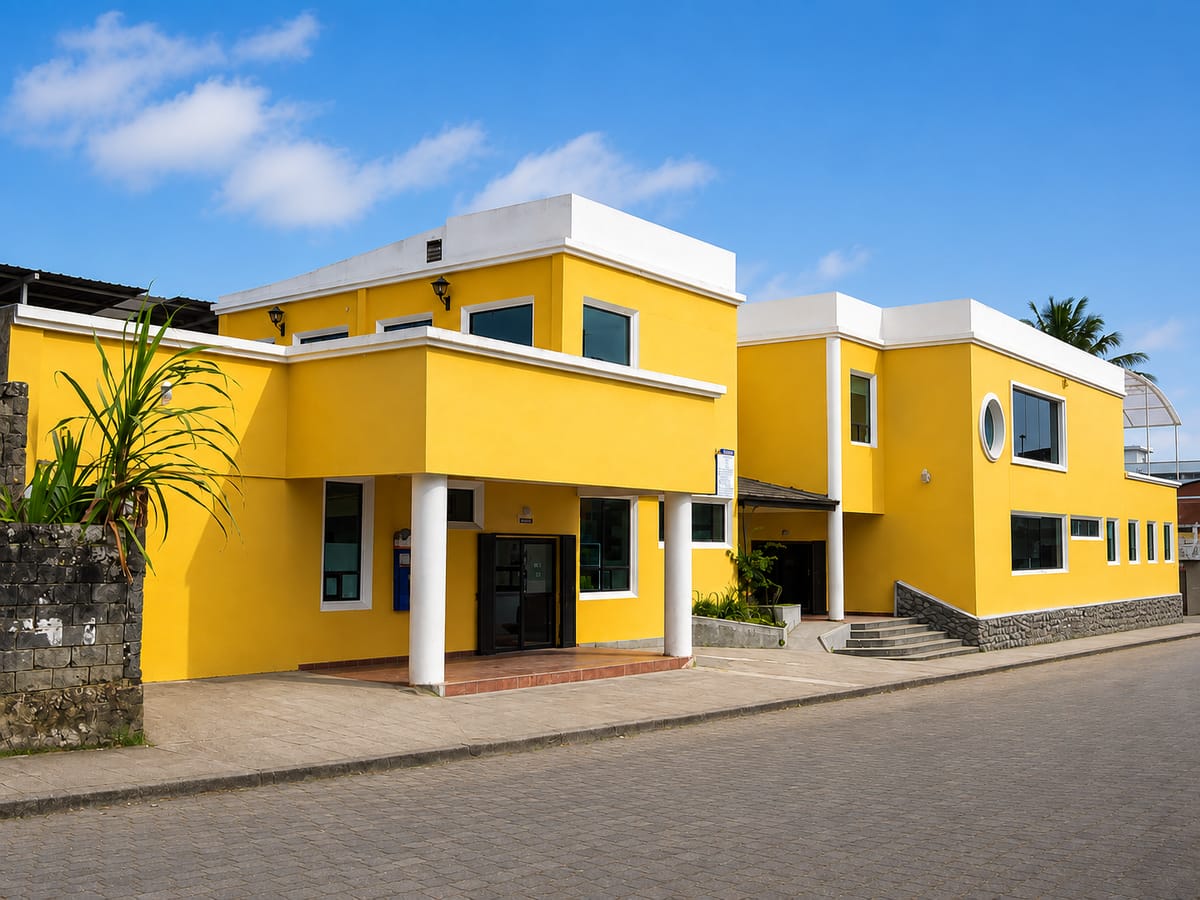
Pedro Vicente Maldonado Hospital

Pedro Vicente Maldonado Hospital was AHD’s pilot project. Opened in 2000, Hospital PVM has served a region of approximately 80,000 people at a time when public sector facilities were rare and often overwhelmed. It first became financially self-sustaining in 2007, which was an important milestone showing the potential of the AHD model. Thankfully, the public sector health infrastructure in PVM’s region has improved substantially over the last 25 years, allowing AHD to focus more of its resources on other parts of the country with more pressing needs.
Learn More →

Santo Domingo

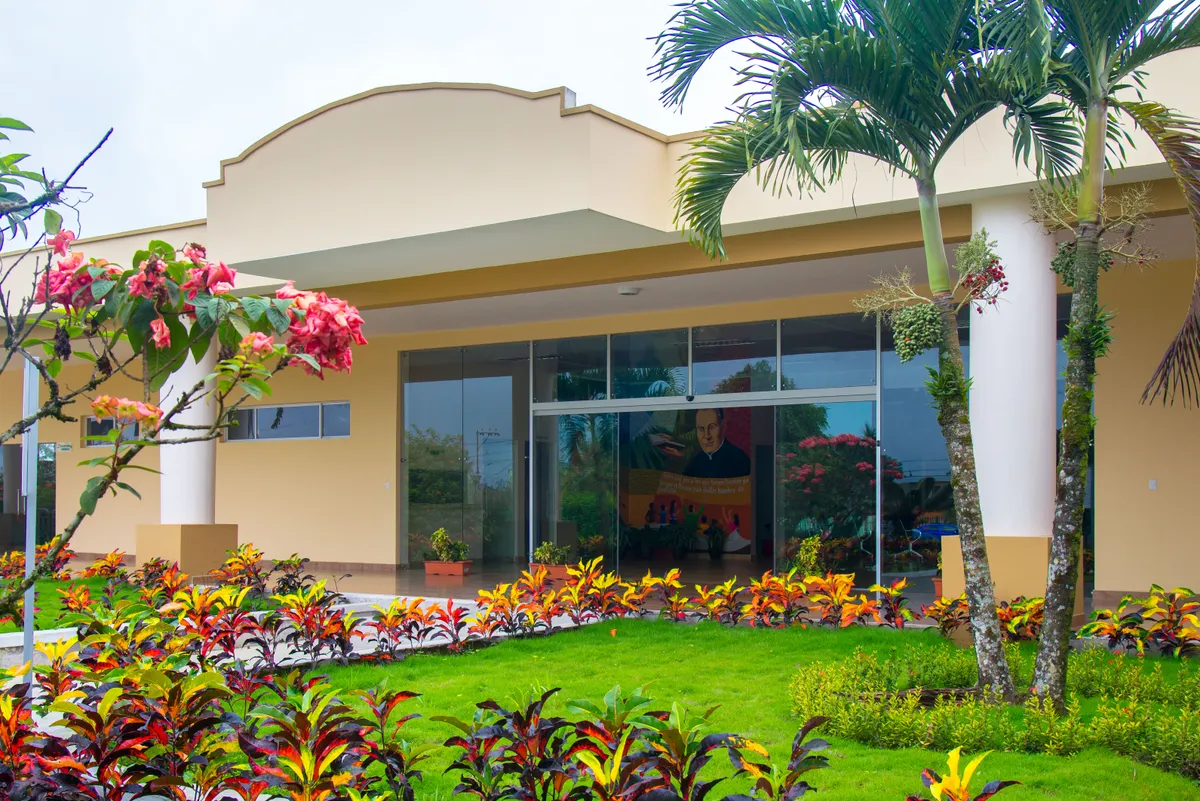
Hesburgh Teaching Hospital

Hesburgh Hospital is a 60-bed hospital and teaching complex serving approximately 400,000 mostly low-income residents. It provides outpatient, emergency, inpatient, and specialty care alongside a physician residency program.

The hospital offers 2 operating rooms, ER, pharmacy, lab, adult and neonatal ICU units, isolation wards, CT/MRI/ultrasound, dental services, simulation lab, resident dorms. Hospital Hesburgh combines immediate, sophisticated care delivery with long-term training of rural health leaders.

Learn more →

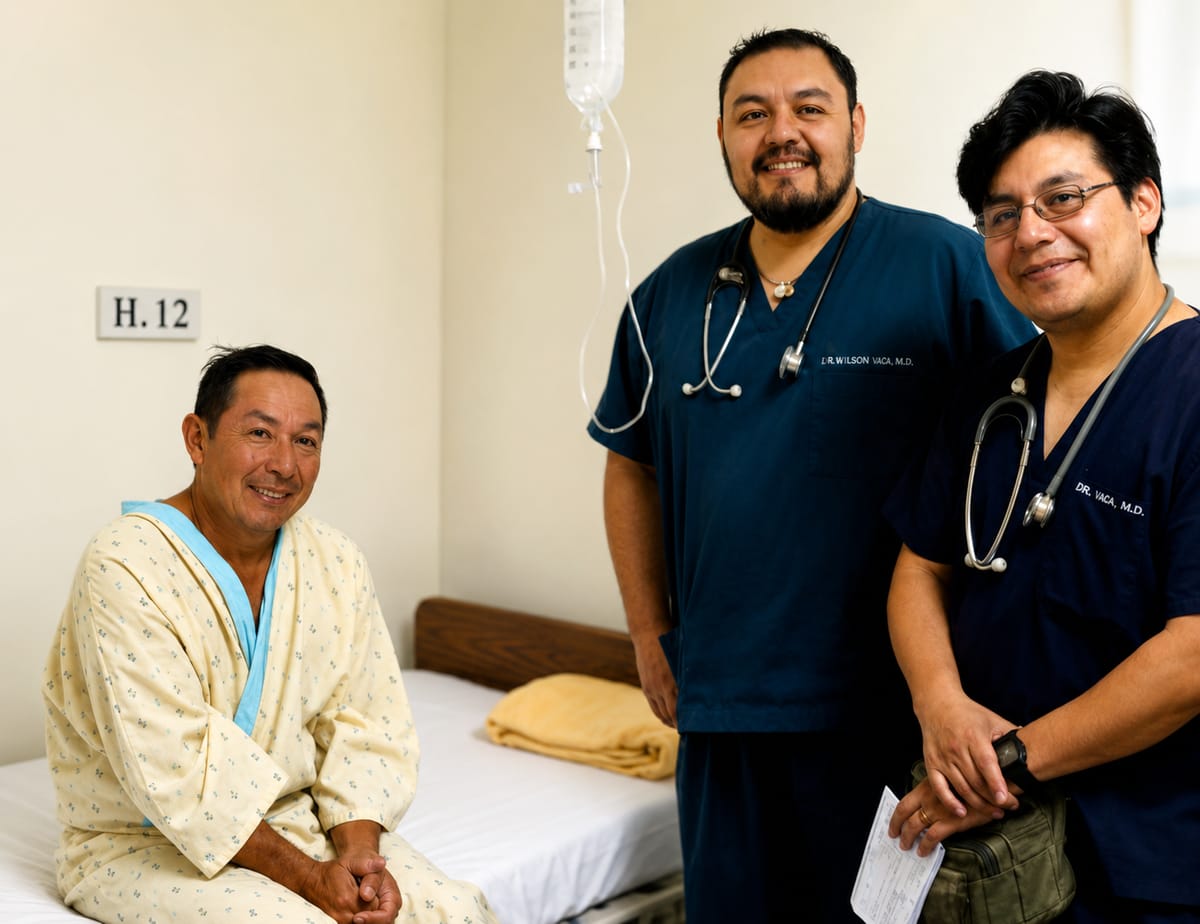
AHD’s New Teaching Hospital High in the Andes

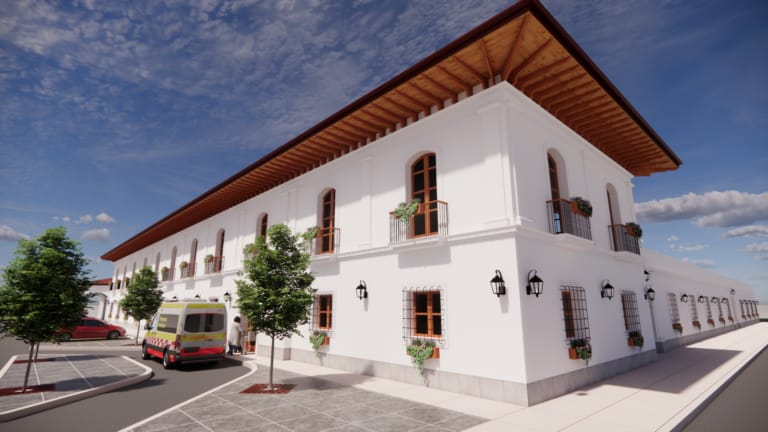
Cotopaxi is largely Indigenous, deeply rural, and home to just 19 adult ICU beds for the entire province. We’re changing that. Our new 42-bed teaching hospital in Pujili will expand training beyond family medicine to nurses, lab technicians, and hospital administrators: the full workforce rural healthcare requires.

Every hospital we build makes the next one easier to replicate, in Ecuador and across the Global South.

Our goal: $11 million over three years to build it, open it, and sustain the care already underway.
Learn more


Donate To A Worthy Cause

Bring Medical Care to people in great need

Your gift expands a model of true sustainability: hospitals that support themselves, doctors who live in the communities they treat, and research that changes rural healthcare across the Global South.

Donate Today

Our Team

An ambitious goal requires a dedicated team

Dr. David Gaus

AHD Co-founder and CEO, David has built sustainable healthcare models serving rural communities in Ecuador since 1996.

Diego Herrera

Saludesa (AHD’s partner foundation in Ecuador) VP since 2004, Family Physician with a Pedagogy Master's, and local university faculty member.

Carlos Troya

Medical Director and attending physician at Hesburgh Hospital, and AHD’s first family medicine resident graduate in 2011.

Alicia Guevara

Attending teaching physician at Hesburgh Hospital. Alicia is a graduate of Saludesa’s residency program in 2012.

Paola Posligua

Hospital administrator at Hesburgh Hospital. Paola is in charge of accounting services.

Miguel Obregon

Attending teaching physician at Hesburgh Hospital. Miguel is a graduate of Saludesa’s residency program in 2012.

Carolina Posligua Guerrero

Manages AI services at Hospital Hesburgh for medical and administrative audits, research, and publications.

Pablo Martínez

Serves as the U.S. Director of AHD overseeing operations since joining the team in 2025

Rev. Theodore Hesburgh, CSC, Chair Emeritus (1917-2015)

Rev. Theodore Hesburgh (1917–2015), President Emeritus of Notre Dame, co-founded AHD and served as Advisory Board Chair.

Legacy

Fr. Theodore Hesburgh

Fr. Theodore M. Hesburgh spent his life standing with underserved communities: serving four popes, chairing the U.S. Commission on Civil Rights, and championing human dignity across six decades of public life. That conviction lives at the heart of Andean Health & Development.

Through Hospital Hesburgh and the work AHD carries forward, his vision remains present in every patient treated, every physician trained, and every community given access to modern medical care.
Learn about the Hesburgh Legacy Society

Fr. Hesburgh believed institutions should serve human dignity — a conviction that helped shape Andean Health & Development’s commitment to sustainable care for underserved communities.